Understanding Male Wellness Through Natural Approaches
An educational resource exploring the world of herbal supplements, daily care routines, and plant-based wellness concepts for men. Discover information about traditional practices and modern perspectives on everyday well-being.
Educational content only. No medical services. No promises of outcomes.
Introduction to Male Wellness Concepts
Male wellness encompasses a broad range of topics related to everyday health awareness and self-care practices. This educational resource aims to provide neutral, informational content about various approaches that men around the world consider as part of their daily routines.
The concept of wellness varies across cultures and individuals. Some may focus on nutritional aspects, while others emphasize physical activity or stress management. Understanding these different perspectives can help broaden general knowledge about the subject.
Throughout history, various cultures have developed their own approaches to supporting everyday well-being. These practices often involve natural ingredients, lifestyle adjustments, and traditional knowledge passed down through generations.
Overview of Supplements and Body Care
The market for male-oriented supplements and body care products is diverse and expansive. This section provides an educational overview of the general categories that exist within this space, without endorsing any specific products or outcomes.
Herbal Supplements
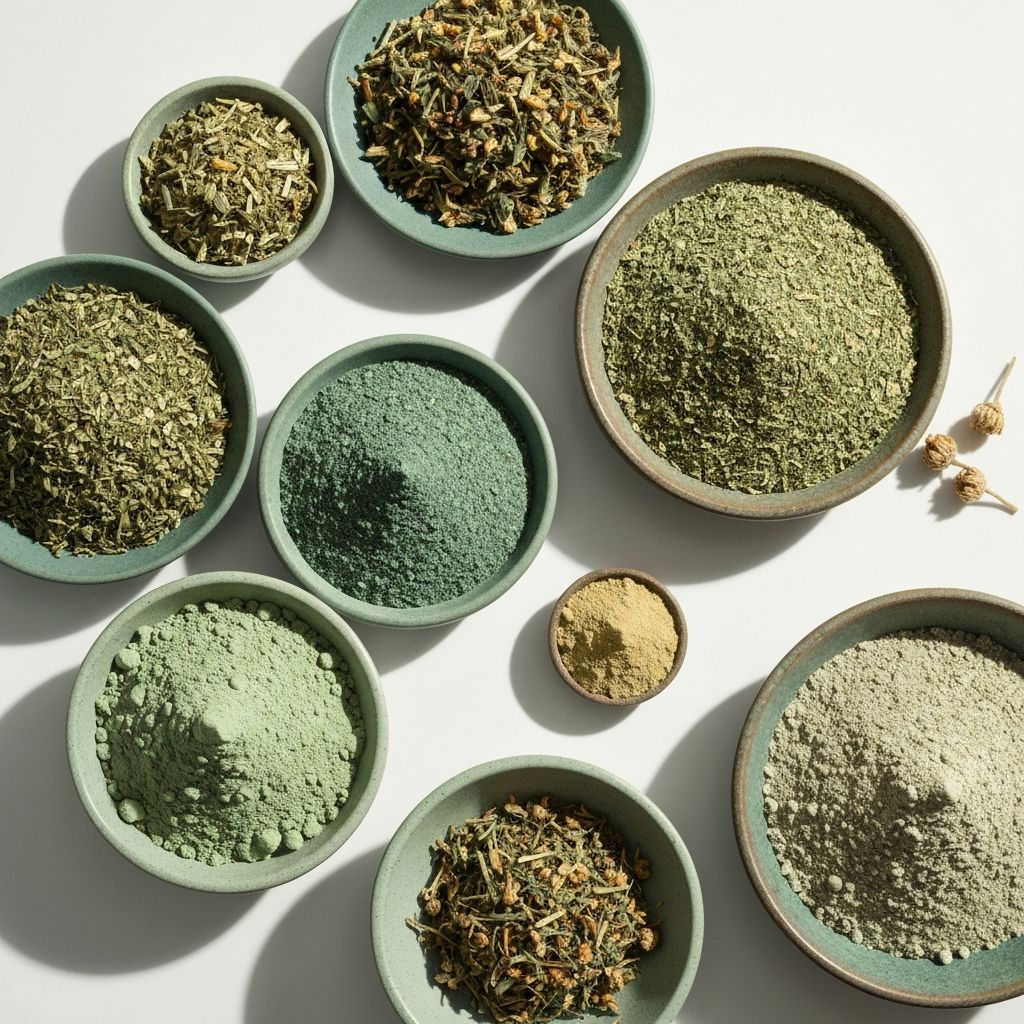
Plant-based formulations that have been part of various traditional practices around the world. These may include single herbs or combinations of botanical ingredients.
Daily Care Products
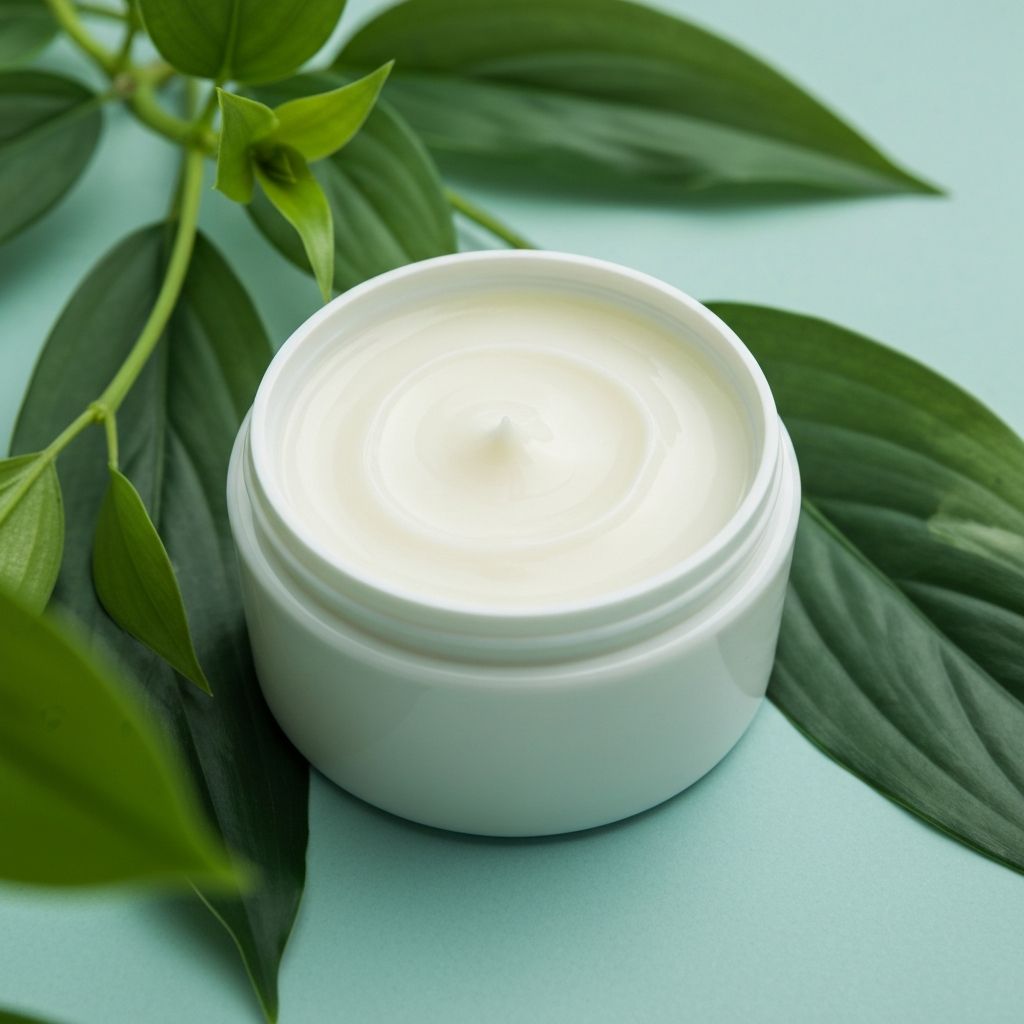
Products designed for everyday use as part of grooming and personal care routines. These typically include items for skin, hair, and general body care.
Key Ingredients Often Found in Daily Routines
Common Botanical Ingredients
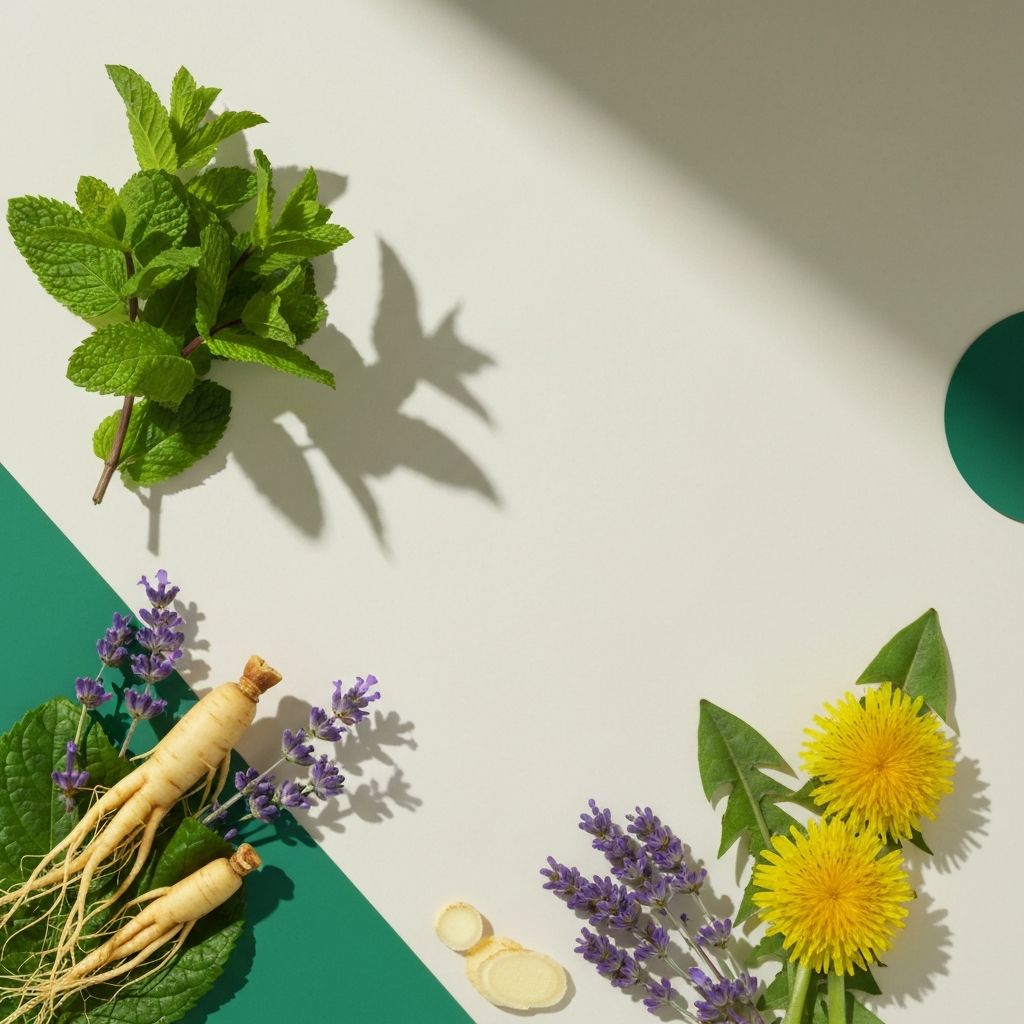
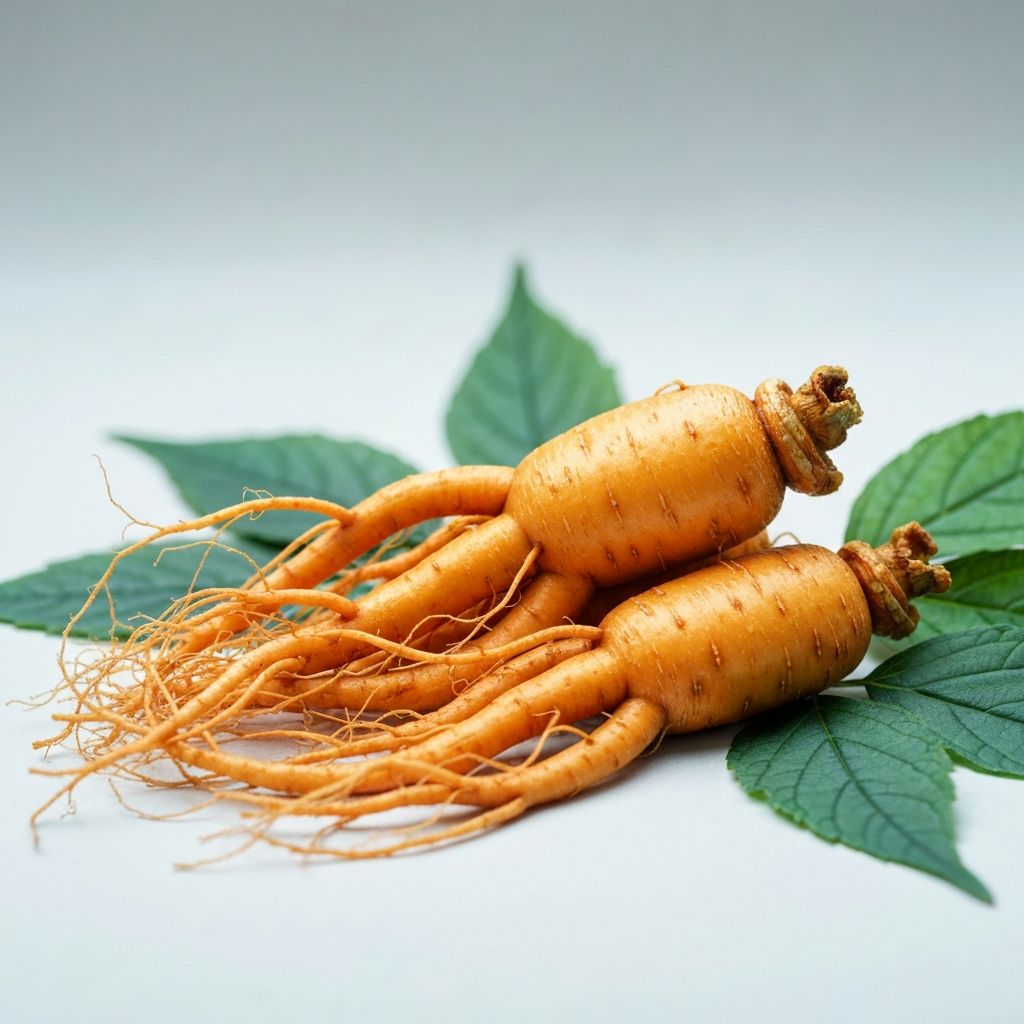
- Ginseng - A root used in various Asian traditions for centuries
- Ashwagandha - An herb from Ayurvedic practices
- Tribulus - A plant found in traditional Mediterranean and Asian cultures
- Maca - A root vegetable native to the Peruvian Andes
- Saw Palmetto - A palm plant native to North America
Skincare and Body Care Ingredients
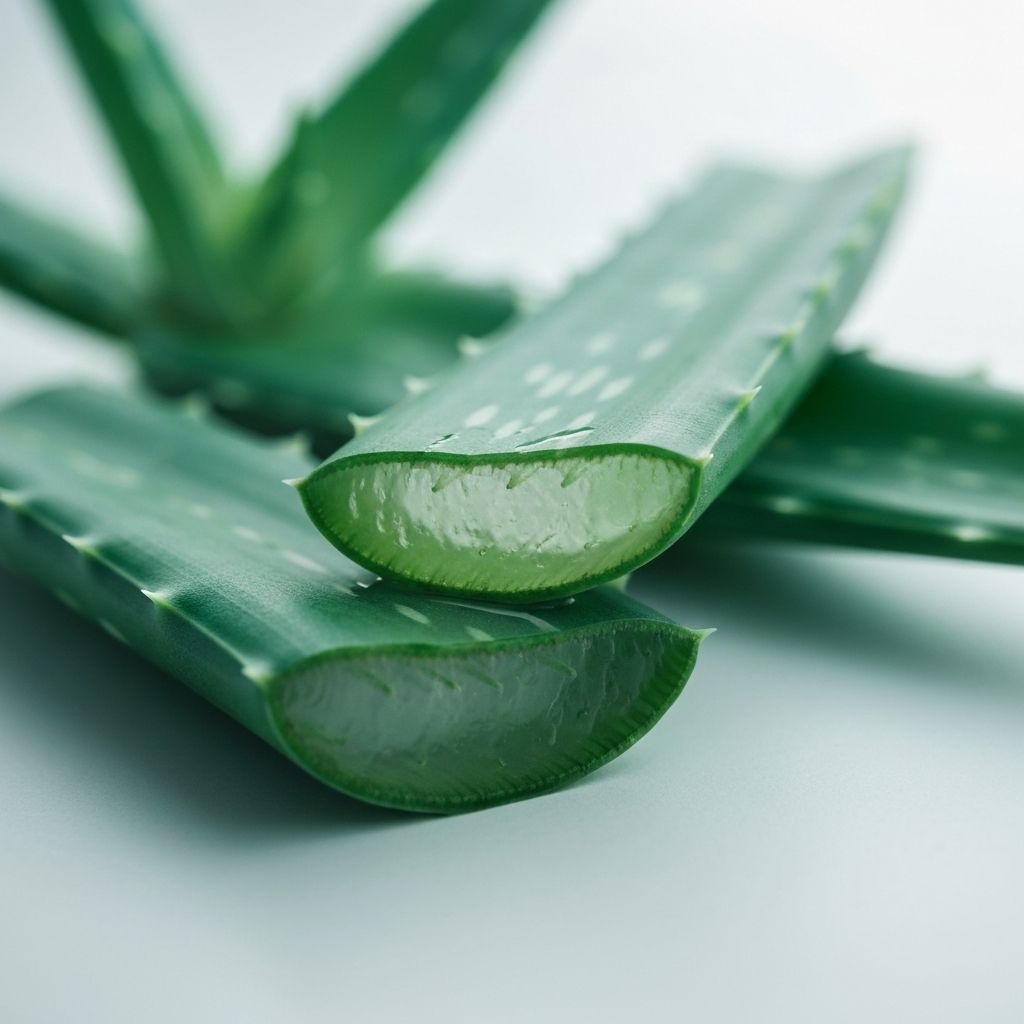
- Aloe Vera - A succulent plant known for its gel-like substance
- Tea Tree Oil - An essential oil from Australian tea tree leaves
- Coconut Oil - A natural oil extracted from coconut meat
- Shea Butter - A fat extracted from shea tree nuts
- Vitamin E - A nutrient found in various natural sources
Information Context
The ingredients listed above are presented for educational purposes only. This information does not constitute a recommendation or endorsement. Individual experiences and responses to any ingredient vary widely, and what works in one context may not apply to another.
Natural Care Tips and Routines
Exploring general concepts about daily care routines that incorporate natural elements. These are informational perspectives, not personalized advice.
Morning Routine Concepts
Many wellness approaches emphasize the importance of consistent morning routines. These may include cleansing rituals, hydration practices, and the application of various natural-based products as part of starting the day.
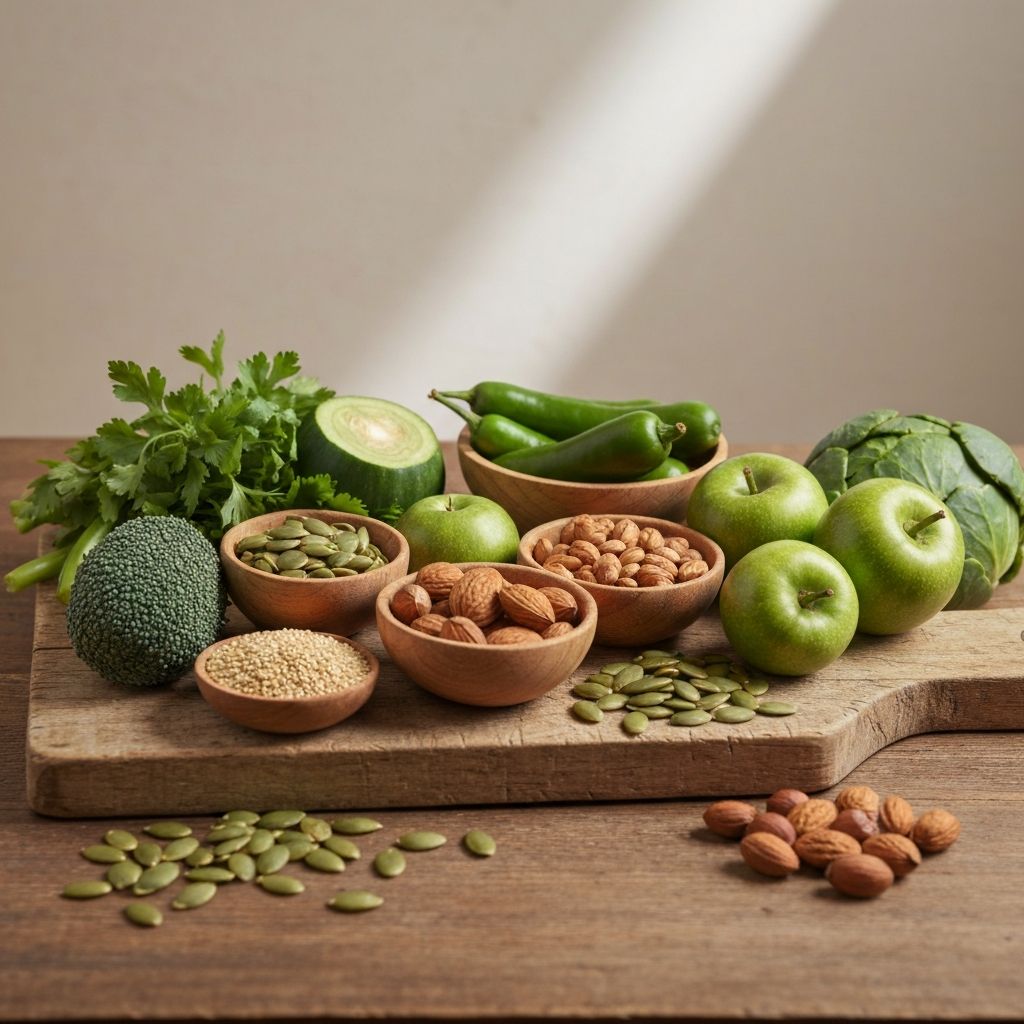
Nutritional Awareness
Understanding the role of nutrition in overall well-being is a common theme in wellness literature. This includes awareness of how different foods and natural supplements are perceived across various cultural contexts.
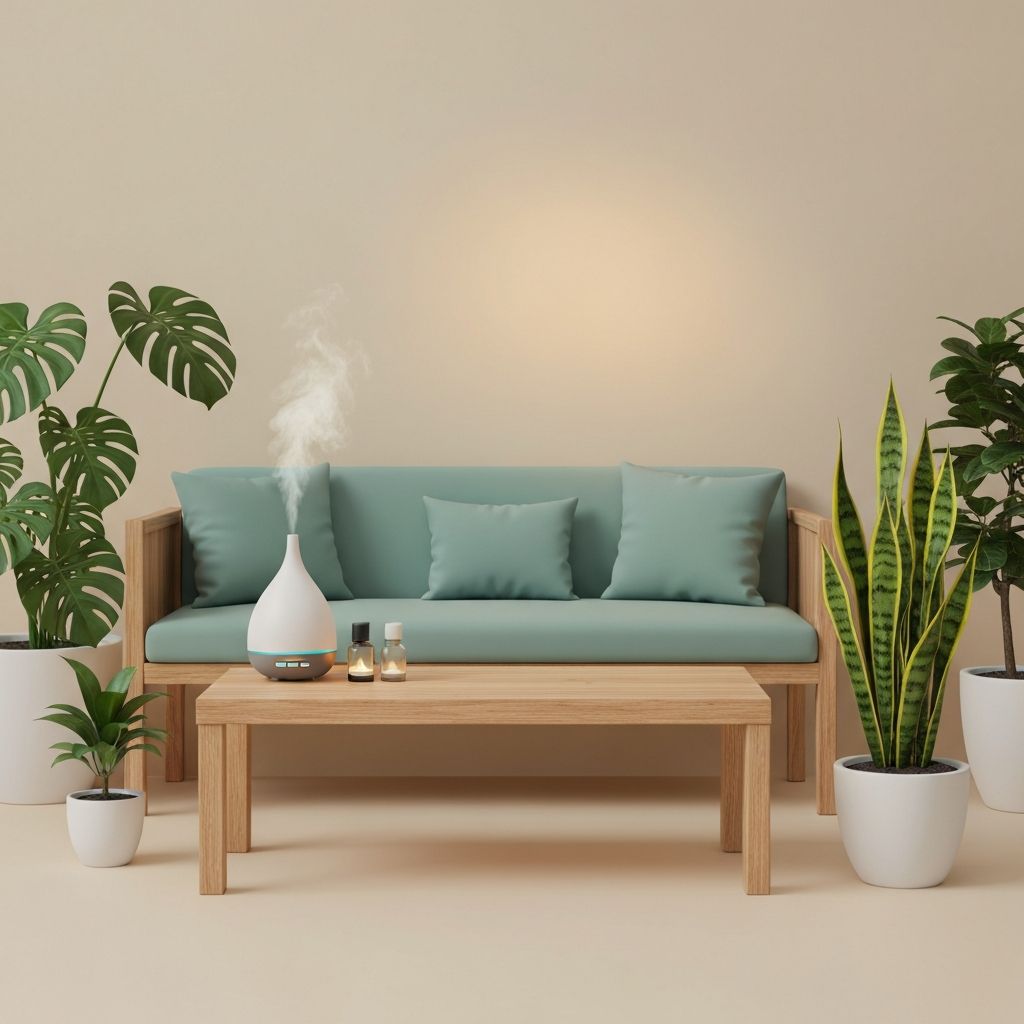
Evening Care Practices
Evening routines often focus on recovery and preparation for rest. Various traditions include practices such as applying natural oils, using herbal preparations, or engaging in relaxation techniques.
Cultural and Traditional Practices
Throughout human history, different cultures have developed their own approaches to wellness and self-care. These traditions often reflect local knowledge, available resources, and cultural values that have been refined over many generations.
Regional Perspectives
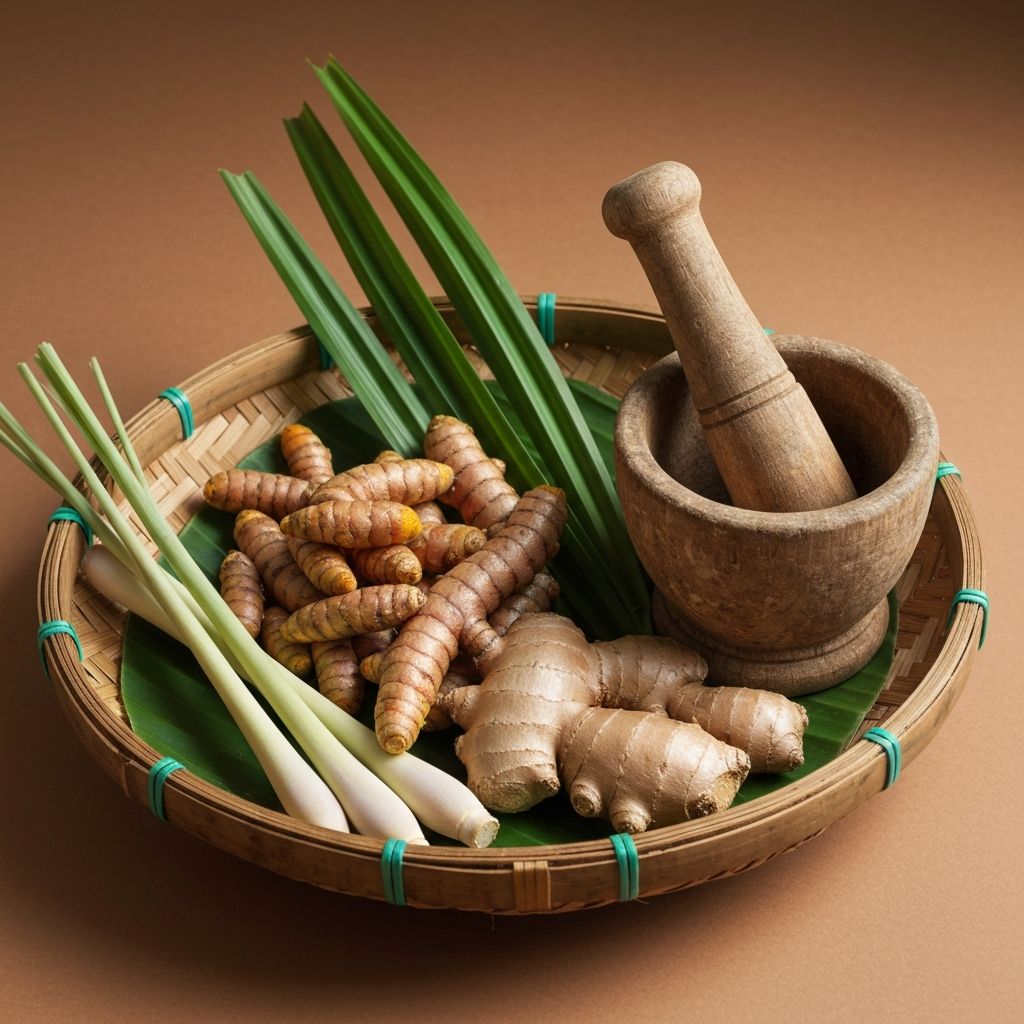
In Southeast Asia, including Indonesia, traditional practices often incorporate local herbs and plants that have been part of the cultural heritage for centuries. Similarly, other regions around the world have their own unique approaches to everyday wellness.
Understanding these diverse perspectives provides educational context about how different societies have approached the concept of well-being throughout history and into the present day.
Neutral Insights on Supplementation
Understanding Supplements
Supplements are products intended to add nutritional value to the diet. They come in various forms including capsules, tablets, powders, and liquids. The supplement industry is regulated differently across various countries.
Reading Labels
Understanding product labels is an important aspect of being an informed consumer. Labels typically include information about ingredients, suggested use, and manufacturing details that can help with general awareness.
Quality Considerations
The quality of supplements can vary widely between manufacturers and products. Various certification programs and quality standards exist in different regions to help establish benchmarks for product quality.
Scientific Context and General Knowledge
The Nature of Research
Scientific research on natural ingredients and supplements is ongoing and evolving. Studies vary in scope, methodology, and conclusions. It is important to understand that research findings are part of a larger body of knowledge that continues to develop over time.
Individual Variation
One of the fundamental concepts in wellness research is individual variation. What may be observed in one study population may not apply to another. Factors such as genetics, lifestyle, environment, and many other variables can influence outcomes.
The Role of Context
Understanding the context in which information is presented is crucial for proper interpretation. Marketing materials, scientific studies, and traditional knowledge each serve different purposes and should be evaluated accordingly.
Limitations and Context
The information provided on this website is for general educational purposes only. It does not represent personalized recommendations and should not be interpreted as advice for any specific situation. Approaches to wellness vary widely among individuals and across different contexts.
Frequently Asked Questions
This website serves as an educational resource providing general information about male wellness concepts, herbal supplements, and daily care routines. It is designed to offer neutral, informational content without promoting specific products or making outcome claims.
No, this website does not provide personalized recommendations. All content is general educational information intended to broaden awareness about various topics related to male wellness. Individual circumstances vary widely, and what applies in one context may not apply in another.
The ingredients mentioned on this website are presented for educational purposes as examples of what is commonly discussed in wellness contexts. Scientific research on natural ingredients varies in scope and conclusions. We do not make claims about the effectiveness of any specific ingredient.
No, this website does not sell any products. It is purely an educational resource designed to provide information about male wellness topics. There are no commercial transactions available through this platform.
The information on this website should be interpreted as general educational content about wellness topics. It is not intended to replace professional guidance or to influence personal decisions. Always consider multiple sources of information and your own individual context when exploring any wellness topic.
Contact Information
Reach Out to Us
Jl. Sudirman No. 22, Jakarta, Indonesia
+62 81 6 784 52 31
Send a Message
Have questions about the educational content on our website? Feel free to reach out.
Visual Examples of Herbs and Care Products
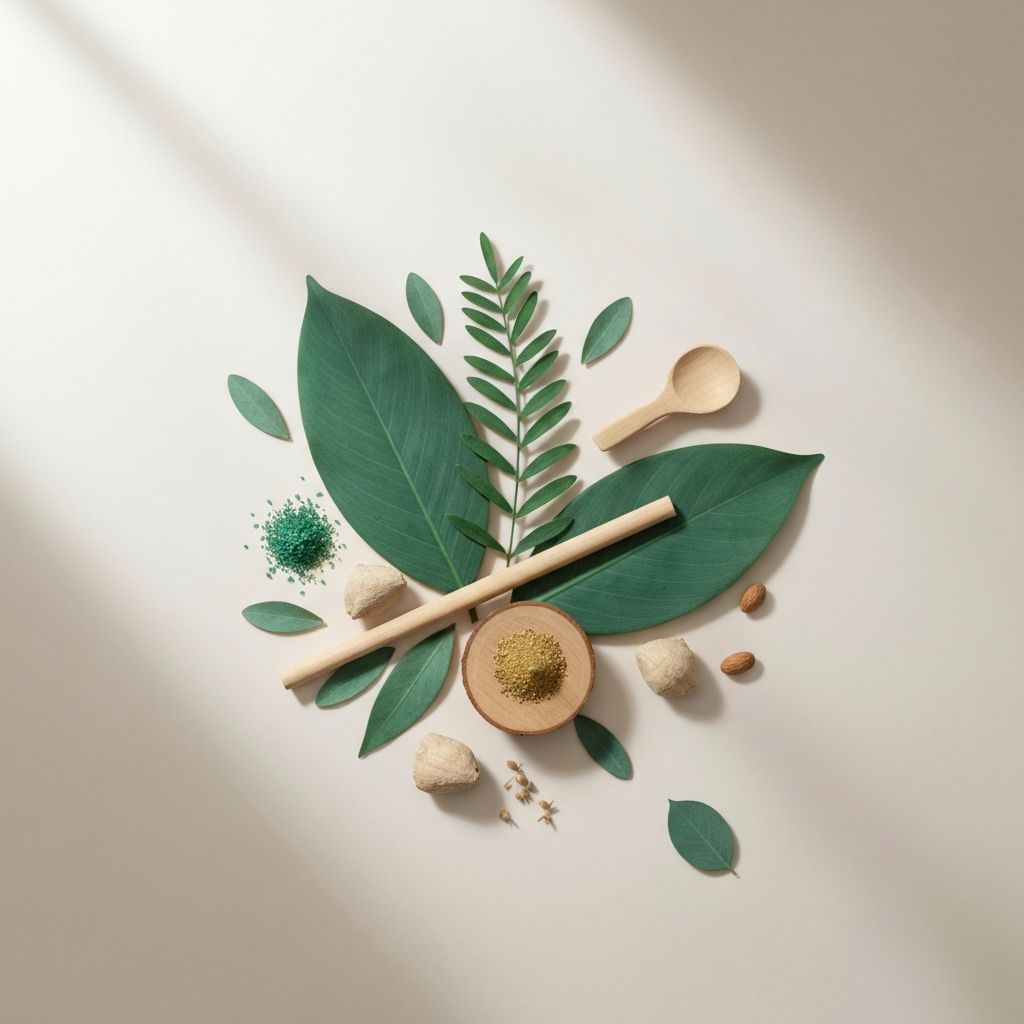
A visual exploration of common natural ingredients and care product types discussed in wellness contexts. These images are for illustrative and educational purposes only.
Continue Your Learning Journey
Explore more educational content about male wellness, natural ingredients, and daily care concepts. Our resources are designed to provide neutral, informational perspectives on these topics.
Learn About Our Educational Mission